ADA Certified Obtainable Portable Bathrooms: Navigating Rental Conformity
Renting portable washrooms sounds straightforward up until access goes into the discussion, and it ought to go into the conversation every time. For occasion organizers, property managers, communities, and any individual preparing temporary hygiene, the question is not simply whether a toilet will certainly get here promptly and obtain serviced correctly. The concern is whether individuals with impairments can really use it with dignity, safety, and independence.
That is where several otherwise careful rental strategies fall apart. Someone books a financial institution of standard devices for a festival, a college fundraising event, a street fair, or a short-lived public task, then thinks the largest device in the schedule counts as certified. Or they remember to purchase one ada mobile washroom, yet position it on soft ground, behind an aesthetic, or at the end of a narrow path that makes the unit successfully unusable. On paper, they attempted. In method, access failed.
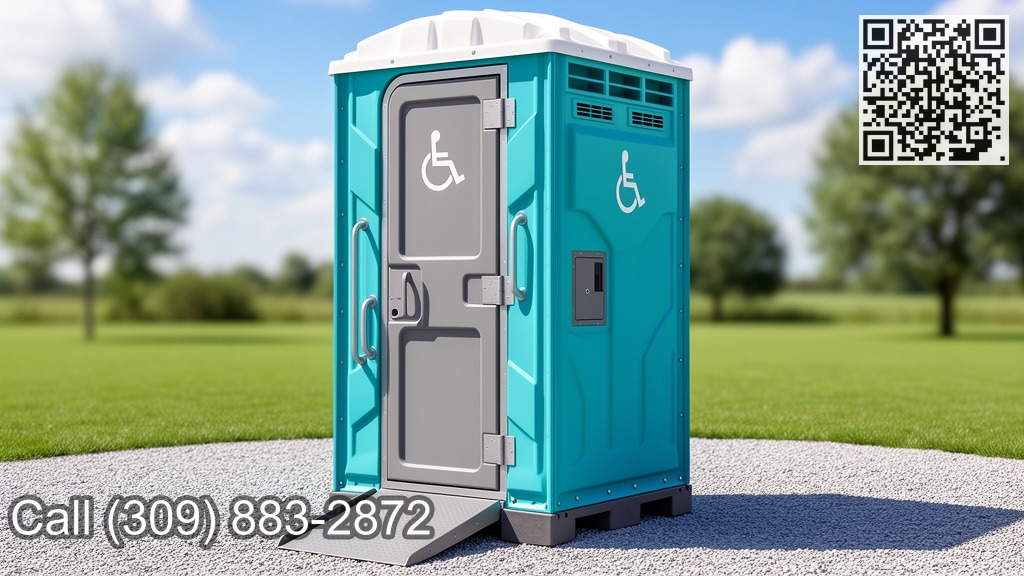
The government framework that matters right here is the 2010 ADA Criteria for Accessible Design, in addition to relevant interpretation from the U.S. Accessibility Board and the Department of Justice. Those requirements shape what counts as easily accessible in the United States, consisting of for mobile toilet leasings in many public-facing settings. If you are organizing ada certified easily accessible mobile restrooms, the best way of thinking is to think past the unit itself. Conformity is not a sticker on a door. It is the device, the route to it, the way it is identified, and the means it operates for individuals that require it.
Where rental conformity typically obtains misunderstood
A lot of confusion begins with the phrase itself. People make use of terms like ada certified mobile washroom, ada-compliant portable bathroom, wheelchair unit, handicap portable, and large bathroom as if they all suggest the very same point. They do not. A spacious mobile commode is not immediately an accessible one. An ada handicap accessible mobile bathroom has to meet accessibility needs, not just use added interior space.
Another point of complication is the matter. When mobile single-user bathroom devices are organized together in a collection, at least 5 percent of the devices because collection need to come. The Access Board has explained that this assumption applies even at short-lived events. That matters since numerous renters assume momentary ways exempt. It does not, at the very least not in the method individuals typically hope.
The expression "at least 5 percent" seems straightforward, but in the field it often tends to increase immediate preparation questions. If you are getting a little cluster, you do not round your responsibility down to zero in spirit. You prepare very early and ask the rental service provider direct inquiries concerning just how they deal with accessibility scoping. The previously this happens, the much easier it is to position the units appropriately and avoid a late scramble.
There is also a slim but vital difference including construction sites. The older 1991 requirement acknowledged an exception for portable toilet systems at building and construction sites when those systems are utilized specifically by building and construction workers. That minimal factor gets repeated out of context all the time. It does not clean away access commitments for basic mobile toilet rentals offering the general public, occasion participants, customers, lessees, or blended individuals. If the rental offers a wider audience, you must not rely upon that construction-only idea as cover.
The mobile restroom is just component of the conformity picture
One of the most usual errors I see in accessibility preparation is treating the system as the entire response. It is not. You can rent out a reputable ada compliant mobile toilet and still create an inaccessible restroom area with poor placement.
The unit should be on an accessible route. The entryway must come. If ramps or touchdowns are required, those features likewise need to abide by the applicable ADA technical demands. That means a supplier can not merely drop an easily accessible system in an area that calls for individuals to go across mud, navigate deep gravel, squeeze through obstacles, or technique from a steep improvisated plywood ramp and call it good.
This is where rental conformity becomes functional instead of academic. The concerns you ask prior to delivery often matter greater than the tag printed in the sales order. Where exactly will the unit sit? Exactly how will someone reach it from car parking, pathways, collecting locations, or the event entry? Will the surface remain steady if it rains? Exists sufficient clear strategy area as soon as secure fencing, generators, dumpsters, or group control barricades go in?
These information matter since accessibility criteria do not stop at the limit. An available portable bathroom that can only be reached by a hard to reach course does not address the problem. It promotes inclusion while providing exemption, which is usually even worse than an apparent oversight because it informs individuals their needs were thought about when they were not.
What makes a portable unit accessible
The technological requirements for easily accessible bathroom rooms still put on portable units. The unit should suit needed clearances, turning room, and door handling clearances. It likewise needs to adhere to relevant policies for grab bars and water closet clearances. The useful takeaway is easy: if a vendor can not discuss exactly how their accessible system is made to fulfill those useful demands, you ought to maintain asking questions.
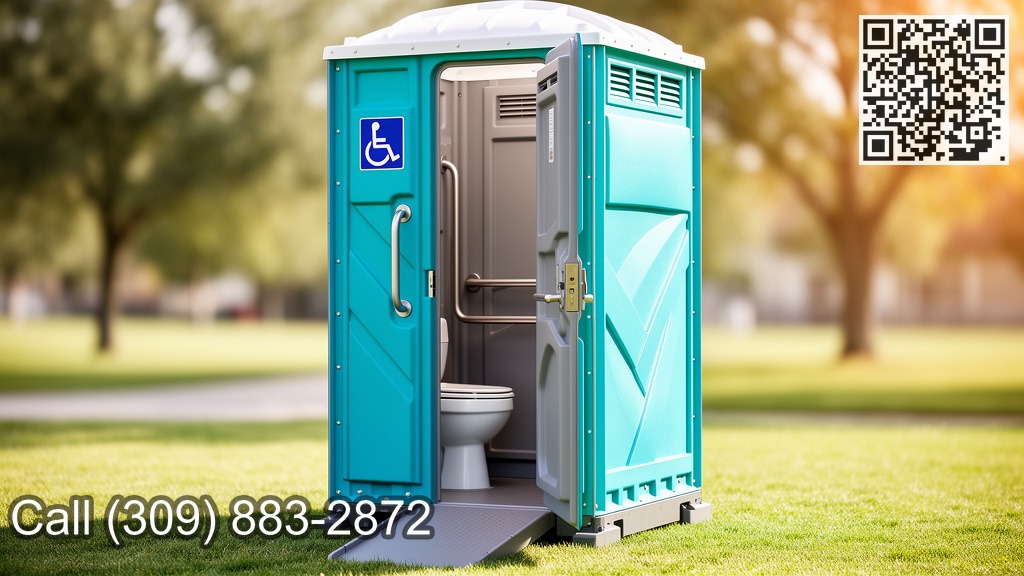
The various other noticeable demand is identification. Available portable bathroom devices need to be noted with the International Sign of Availability. That icon is not ornamental. It aids customers locate the appropriate system without uncertainty, and it signifies that the device is meant to satisfy ease of access requirements as opposed to simply offer additional room.
I have actually seen organizers concentrate greatly on aesthetics, particularly at weddings, high end exterior occasions, and branded activations. They worry that accessibility markings or a bigger system will keep an eye out of area. That instinct is easy to understand, however it is the incorrect top priority. If appearance worries begin driving bathroom https://penzu.com/p/25e007b984ac228e positioning or option, gain access to usually suffers initially. People see when a washroom area is troublesome. They bear in mind when it is unusable.
Temporary event does not mean short-term obligation
Some of the hardest conversations occur with organizers intending short-duration occasions. They might only need commodes for one day, one weekend break, or one night, so they presume the compliance problem should be lighter. However the assumption for easily accessible systems in portable single-user collections still applies at temporary events.
That point deserves sitting with for a moment. A songs festival that lasts 8 hours, a church picnic, a neighborhood ceremony hosting location, or a downtown supplier market may all feel informal compared to a long-term building. From the individual's point of view, though, the demand is immediate and extremely real. If someone attends your occasion and can not make use of the toilet due to the fact that the only available choice is missing out on or poorly placed, the short-lived nature of the event does not soften the impact.
Short occasions likewise have a way of magnifying errors. Permanent sites occasionally have backup choices close by. Momentary websites usually do not. If the ada obtainable portable toilet is blocked by catering equipment, parked too near a fencing, or established on a path that comes to be impassable after rain, there may be no sensible alternative.
The safest questions to ask before you sign the rental order
Most compliance problems show up prior to shipment, also if they are not identified up until much later. A brief planning conversation can avoid a lot of pricey solutions and uncomfortable apologies.
Here are the inquiries I would certainly ask any kind of portable washroom supplier or site team:
- How numerous units are in the collection, and the number of of those are accessible?
- Is the accessible unit plainly related to the International Sign of Accessibility?
- What website problems are required for an accessible route and entryway to function properly?
- If the positioning requires ramps or touchdowns, who is in charge of making sure those elements meet ADA requirements?
- Can the unit be positioned so door steering room and approach are not obstructed by other tools or fencing?
That listing is brief on purpose. You do not need a lawful seminar to detect threat. You require sufficient clearness to recognize whether the supplier comprehends availability as an actual operational requirement, not an optional add-on.
Why site design can silently threaten an or else certified rental
A rental arrangement might appropriately consist of ada compliant portable washrooms, yet the final arrangement can still fall short individuals since the website developed after the order was positioned. This takes place more frequently than individuals admit. An occasion map gets modified. A food truck row expands. Safety secure fencing shifts. An enroller camping tent asserts the flatter area of pavement. After that the restroom financial institution obtains pressed right into the remaining space.
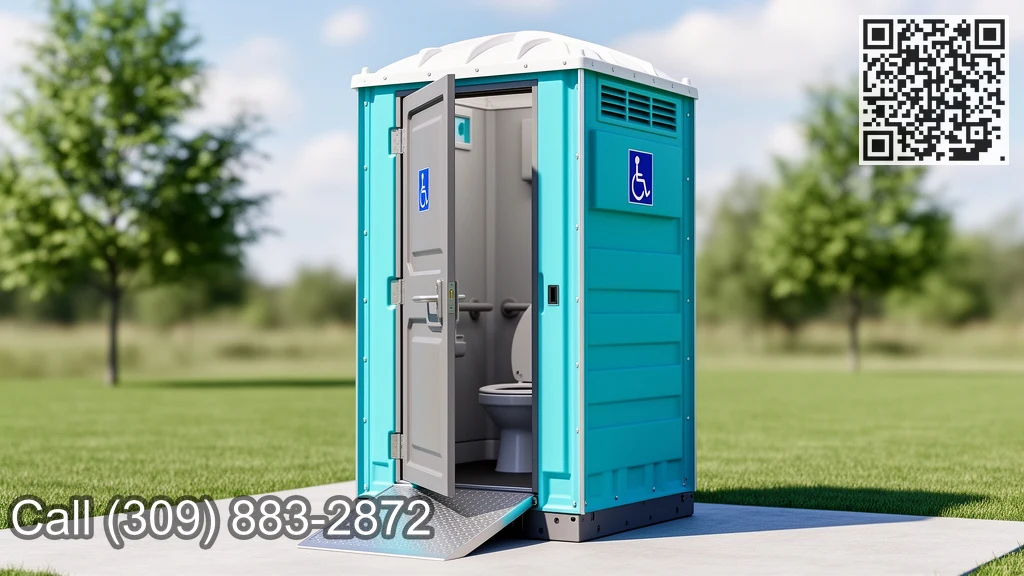
The leftover area is commonly the most awful possible room for accessibility.
I keep in mind a short-lived arrangement where the obtainable system itself was fine, however it had actually been placed near a minor grade to maintain the main walkway looking tidy. On paper, the design looked reliable. In person, the route narrowed at a corner where stanchions had been added after the reality, and the landing location in front of the door ended up being crowded with hand-sanitizer stands and trash bins. Nobody meant to produce an obstacle. They simply kept making tiny decisions that treated the obtainable bathroom location as adaptable room. By opening time, availability had been compromised by a lots small changes.
That is why I constantly suggest coordinators to protect the toilet impact early. When the accessible device place is selected, defend the course and the steering location around it as strongly as you would certainly protect an emergency exit or a fire lane. Ease of access is not what stays after everybody else obtains their favored placement.
Compliance is more comprehensive than one law cycle
It is additionally useful to recognize the larger environment around ADA commitments. Ease of access enforcement is not reducing. If anything, the wider conformity setting has ended up being extra active throughout fields. One current instance entailed Division of Justice assistance prolonging a deadline for state and city government internet and mobile ease of access regulations right into 2027 for larger entities. That growth was not about mobile restrooms, yet it showed something important: ADA conformity continues to be a real-time concern, and organizations ought to not expect ease of access obligations to discolor into the background.
Why does that issue for an ada portable bathroom rental? Because it forms how organizations ought to think. Availability must not be dealt with as a low-visibility information that just matters if someone whines. It belongs in routine preparation, purchase, public interaction, and site operations. Mobile hygiene is just one item of that larger posture.
The language vendors use, and what renters must pay attention for
The washroom rental industry utilizes familiar shorthand, and some of it works. Terms like ada mobile bathroom or ada portable restroom can help determine the sort of unit you require swiftly. At the very same time, shorthand can conceal voids if nobody asks just what is being promised.
If a vendor states they have ada compliant portable toilets offered, ask what they suggest by certified. Ask whether the device is intended to please available toilet-room needs, whether it is understood the access icon, and what problems need to feed on site for the arrangement to stay available. A great vendor must not be frustrated by those questions. They should await them.
This is particularly essential when multiple parties are involved. An event planner might get the units, a location might authorize positioning, a site contractor may prep the ground, and a different procedures group may rearrange close-by tools the morning of the occasion. In those situations, access can fall through the cracks due to the fact that everyone presumes another person is handling it.
I have discovered that a person sentence can cut through the ambiguity: "We require this arrangement to continue to be obtainable from arrival through usage, not simply at distribution." That language has a tendency to move the conversation from sales terminology to real-world function.
When counting units obtains tricky
The 5 percent policy for clusters appears cool, however short-lived websites are seldom cool. An usual gray area entails numerous restroom collections spread out throughout a building. One collection may be near the main phase, another by the entrance, and another behind a supplier location. If they operate as separate clusters, you must think meticulously regarding accessibility at each area instead of presuming one available unit somewhere on the residential property resolves every issue.
I am taking care below since the truths offered assistance the 5 percent rule for each collection, and that is the trustworthy anchor. The useful lesson is to avoid a minimalist analysis. A solitary easily accessible system positioned far where people really need one may please a person's paperwork impulse while failing the spirit and likely the procedure of accessibility. Where individuals go issues. Range matters. Route quality matters.
This is likewise where compassion develops judgment. A person using a flexibility device should not have to leave one task area, traveling much further than every person else, and browse a complex route simply to get to the only useful washroom. If your setup develops that experience, something concerning the planning likely needs an additional look.
Construction websites should have careful distinction
Because portable bathrooms are so usual on task websites, individuals frequently repeat partial information concerning construction exceptions. The essential distinction is narrow: portable bathroom devices at construction websites utilized specifically by building employees were treated differently under the cited 1991 common scoping regulation. That does not develop a blanket exemption for every mobile commode placed near building and construction activity, and it does not get rid of commitments for public-facing short-term bathroom rentals.
This issues on mixed-use websites, phased growths, streetscape projects, and civic enhancements where building and construction activity overlaps with public access. If portable devices are serving site visitors, clients, residents, or occasion attendees, you should not casually classify them under a construction-only exemption and proceed. The individual populace matters.
When in doubt, care is generally cheaper than adjustment. Buying and effectively putting an ada compliant portable bathroom from the beginning is much easier than defending a thin reading of an exemption after a complaint.
A few indications that a rental plan requires an additional pass
Accessibility problems commonly disclose themselves with average planning language. If a person states, "We'll put the obtainable unit off the beaten track," I stress. If the recommended website is referred to as "close sufficient" in spite of gravel, grade adjustment, or congestion, I stress. If the plan counts on an improvisated ramp without clear responsibility for conformity, I worry.
The patterns know:
- the available unit is ordered late, after the primary layout is already fixed
- the route is presumed instead of walked and tested
- nearby things are allowed to trespass on the entryway or handling area
- signage and identification are dealt with as optional details
- the group confuses a bigger device with a compliant one
None of these issues are rare, and none need poor intent. They usually originate from haste, fragmented obligation, or the presumption that temporary facilities can be managed delicately. That is why accessibility preparation functions best when a single person has the inquiry from beginning to finish.
What thoughtful compliance looks like in practice
Good rental compliance tends to look plain, which is specifically the point. The available system is present in the appropriate percentage within the collection. It is marked with the International Symbol of Availability. The course to it is usable. The entry works. If ramps or landings are required, they satisfy the pertinent requirements. The area around the device has actually not been pinched by barriers, decoration, or energy devices. Individuals who need the device can discover it and utilize it without having to request special help.
That kind of setup does not happen by accident. It comes from groups that understand a fundamental fact: availability is functional. It resides in options concerning purchase, placement, timing, supervision, and last-minute changes.
There is likewise a human side to this that typically gets lost in conformity talk. For lots of individuals, bathroom accessibility determines whether they can remain, participate, work, take pleasure in an event, or feel welcome whatsoever. If the only suitable bathroom is missing or pointless, individuals might have to leave early, limit liquid intake, rely on buddies, or endure shame that never see. An understanding approach to ada compliant obtainable mobile bathrooms begins there, with the lived reality behind the rule.
When you view the service via that lens, the questions come to be clearer. Not "Did we purchase one?" but "Can a person use it independently?" Not "Will this please the checklist?" yet "Would certainly I be comfortable protecting this arrangement to the individual who depends on it?"
That is the level of care rental conformity is entitled to. The criteria develop the flooring. Thoughtful preparation is what turns that flooring into purposeful access.
 Ask ChatGPT
 Ask Grok
 Ask Perplexity
 Ask Claude
 Ask Google AI
 Ask You